Our Story
From Nepal to
Your Home
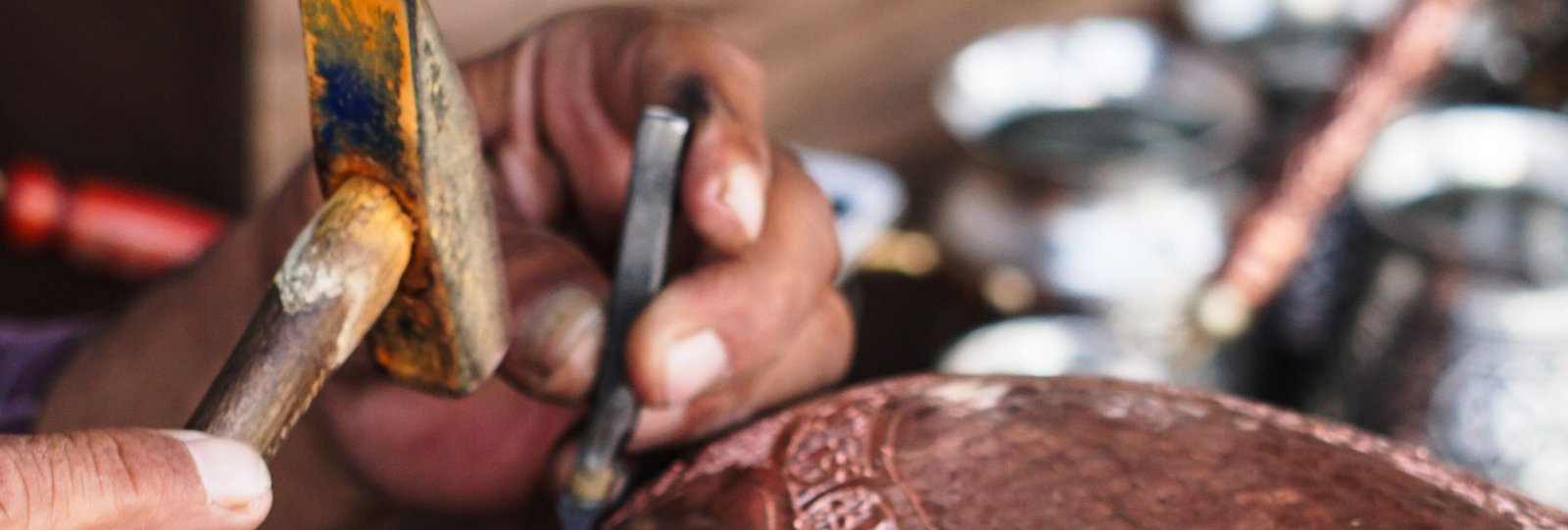
Made by Hand
in Nepal
AscendaCo Crafts began with a simple idea: the handmade sacred art of Nepal deserves a place in homes far beyond the Kathmandu Valley.
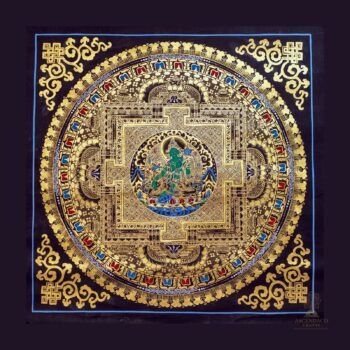
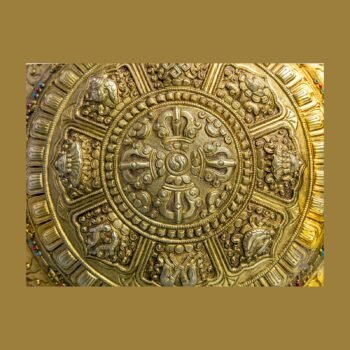
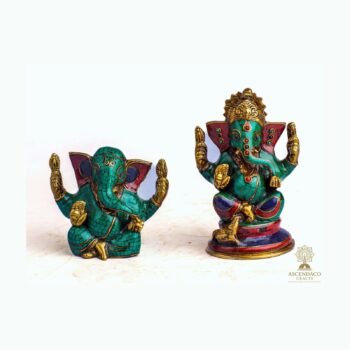
Nepal’s craft tradition is one of the oldest living art cultures in the world — deity masks, singing bowls, thangka painting and wood carving have been made here for centuries. We work with skilled Nepali artisans to bring that tradition to collectors, practitioners and lovers of meaningful objects worldwide.
Every piece in our collection is made by hand. That means slow work, natural variation, and objects that carry the character of the person who made them — the opposite of mass production.
Every order is packed with care in Nepal and shipped to your door.
What We Stand For
Authenticity, Craftsmanship,
Respect
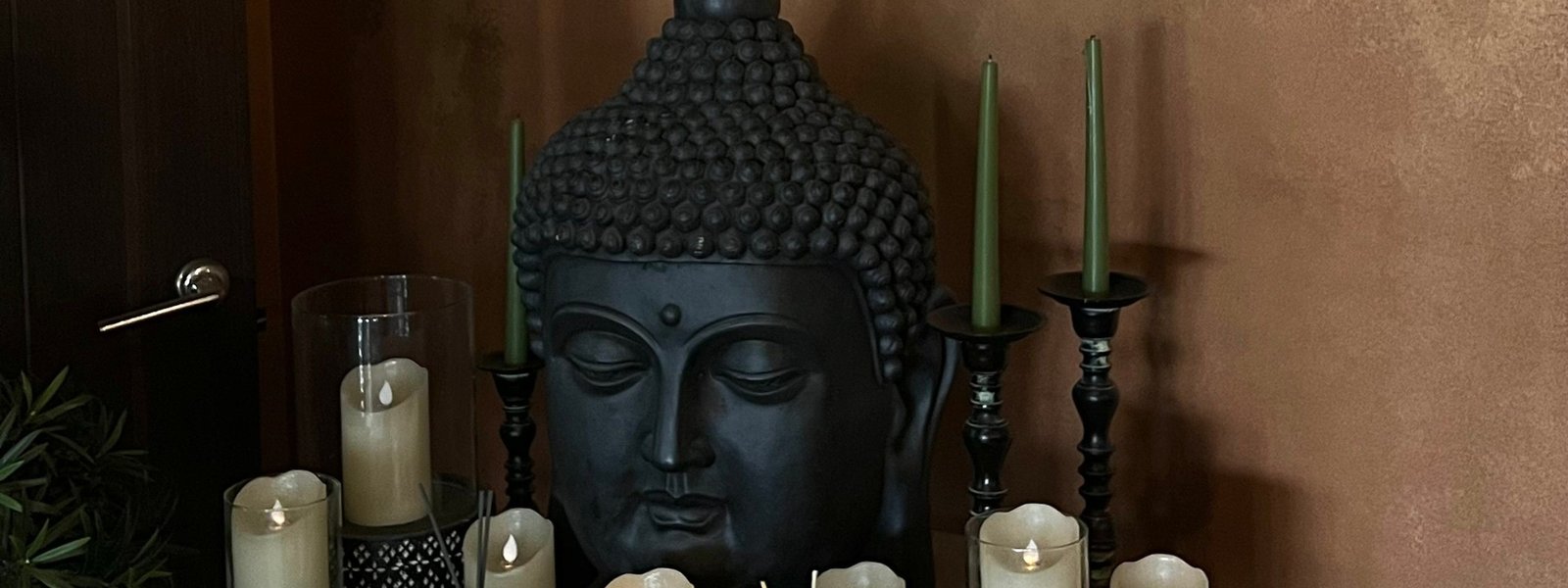
Authenticity — we describe every piece honestly: its materials, its size, and the tradition it comes from.
Craftsmanship — handmade, finished in detail, one piece at a time.
Respect — these objects carry cultural and spiritual meaning. We present that meaning accurately, never as a sales gimmick.
Philosophy
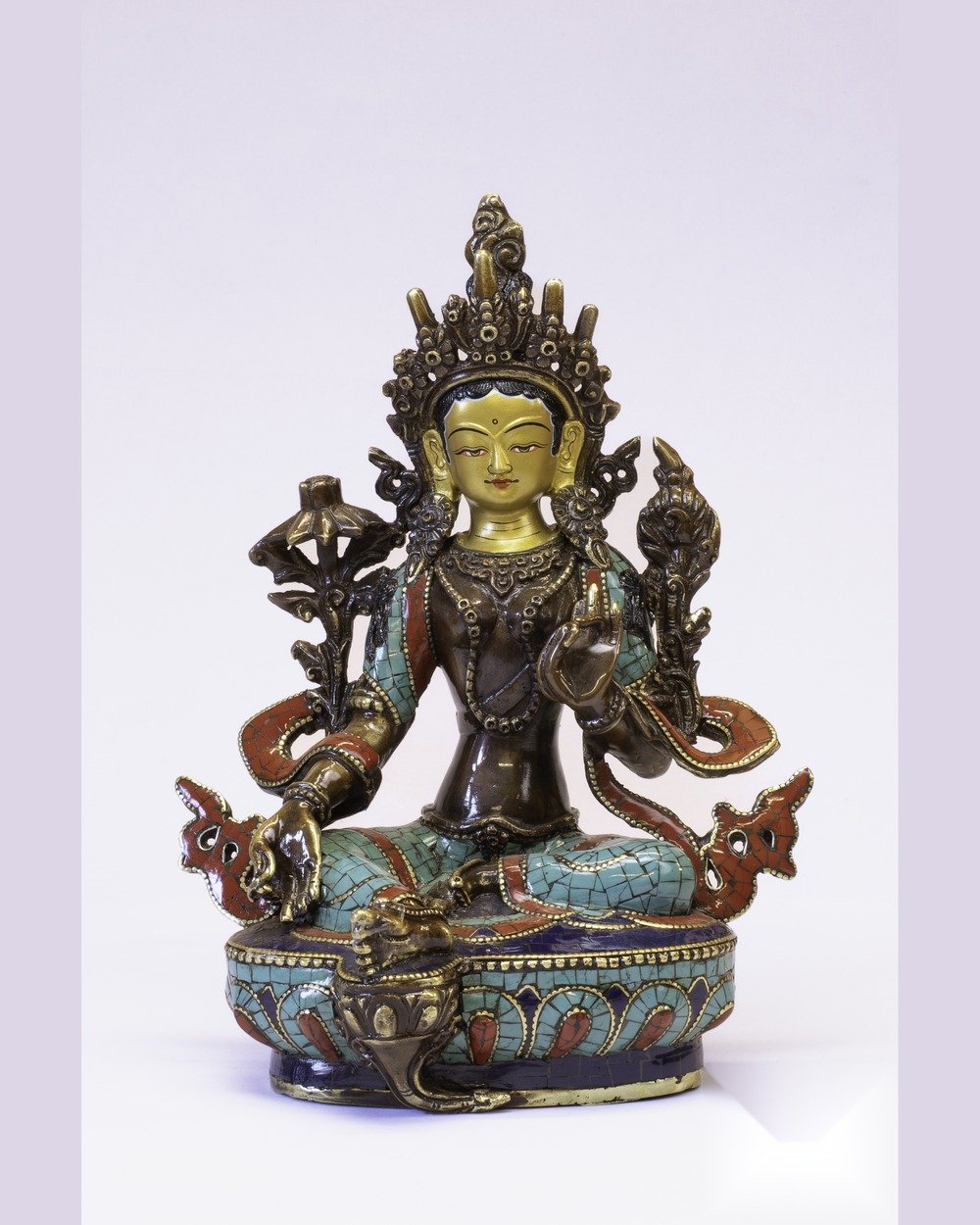
“We believe objects carry the intention
with which they were made.”
Every AscendaCo piece is made to be lived with — not displayed behind glass, but touched, contemplated, and enjoyed every day. This is art for daily devotion.
Explore the Collection